
Have you ever wondered how to make sustainable choices when flower shopping?
Have you ever wondered how to make sustainable choices when finding and designing your own flowers?
When it comes to flower shopping and designing at home, these simple considerations make all the difference.
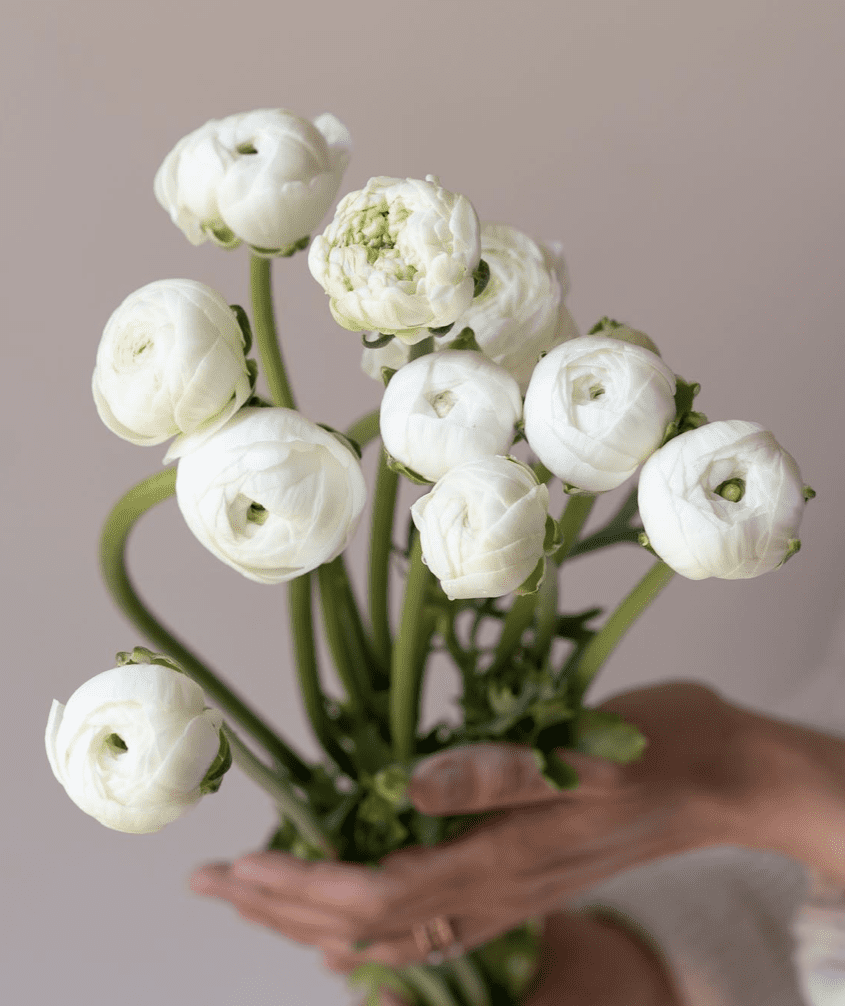
Local and seasonal flowers are the most gentle to the Earth, grow in tune with nature’s rhythms, and have the chance to be the freshest flowers you’ll find. Not to mention, buying local helps to support your neighbourhood businesses and invests in your local economy.
Support Local + Buy Seasonally
One of the best sustainable swaps is to source flowers that are local and seasonal.
- Buying local means that these flowers were not flown around the world by plane (which a surprising amount of flowers are), thus producing less carbon emissions, using less packaging (it takes a lot of single-use packaging to secure flowers for a long flight), and less use of chemicals on the flowers (used to preserve them through travel).
- Seasonal flowers open our minds to the abundance that nature has to offer, by surprising us with what thrives in each season. Our creativity and joy abound as we embrace the natural rhythms of beauty and as we find grounding through connection with the world around us.
Finding Local Flowers Near You
Farmers, florists, or a trip to the market.
- Even in a city, nearby flower farms might exist that you never knew about before. A little bit of research will be worth it to find a flower farm near you. Flower farmers will often sell at farmers markets, flower stands, or through local florists. The farmers will know the flower’s journey from seed to soil to you- connecting you with the story of the flowers and providing you with the freshest stems.
- If you don’t find a flower farm nearby, you can also go to almost any local flower shop and ask them which of their flowers are local vs imported. They should be able to inform you about the flowers they have available.
Tip: Go to your florist, farmer, or market prepared! Avoid single-use plastics by asking for paper wrapping only (or bringing your own newspaper for protecting your flowers), and by bringing your own vase of water. They won’t need to supply you with a single-use plastic wrap, nor a plastic pouch for hydrating your flowers, and you can choose a vessel that makes easy transport for your journey home.
Vessels Are Everywhere
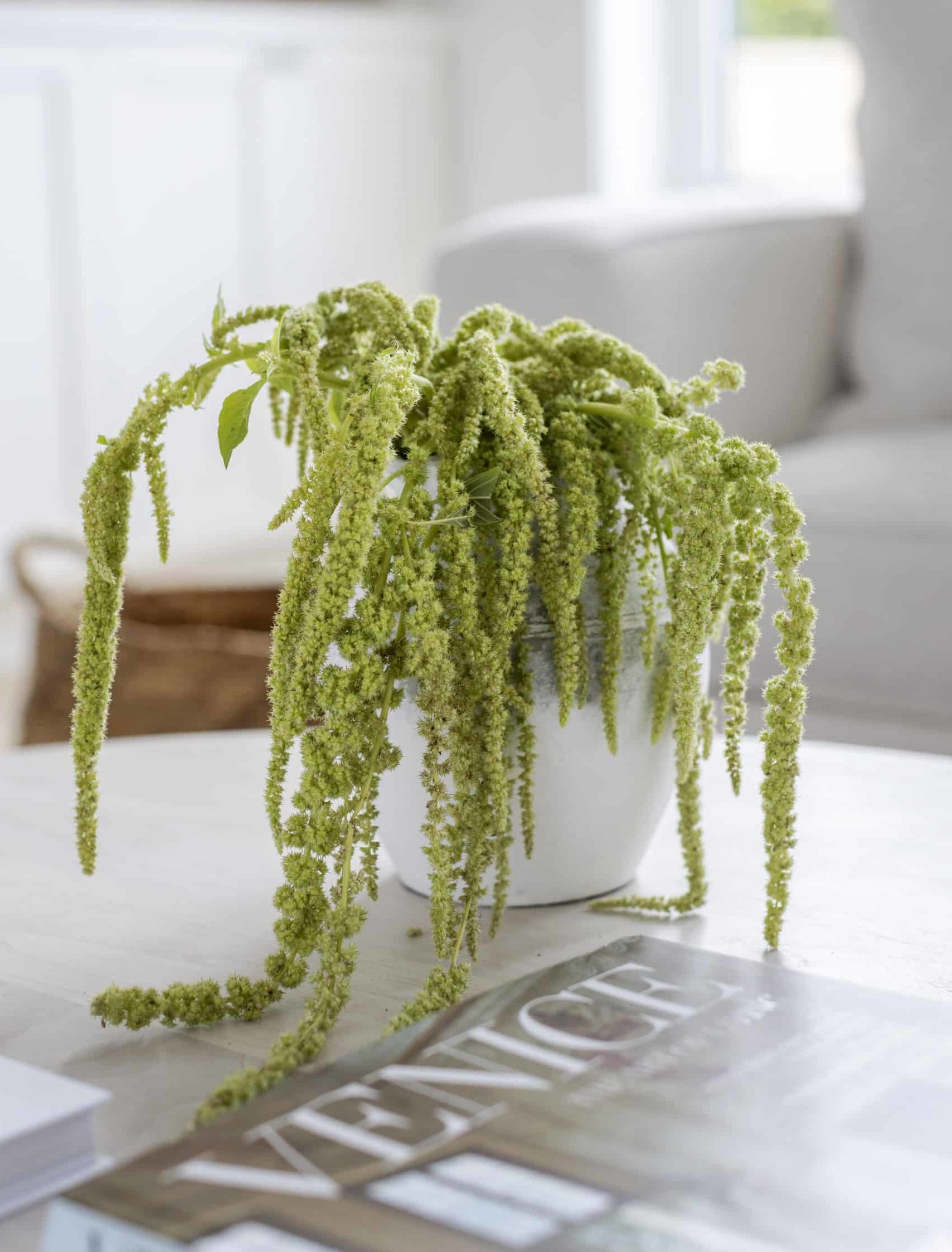
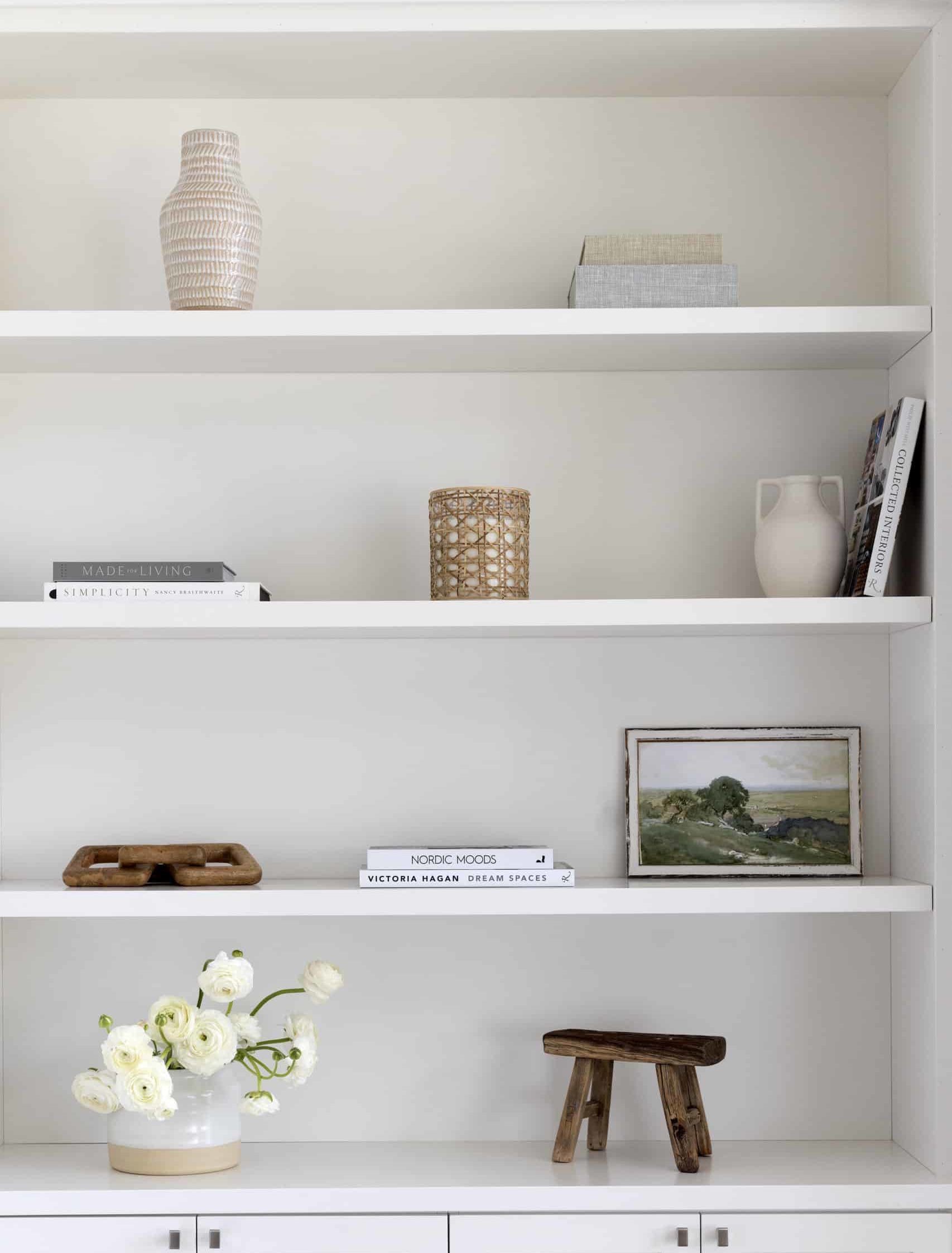
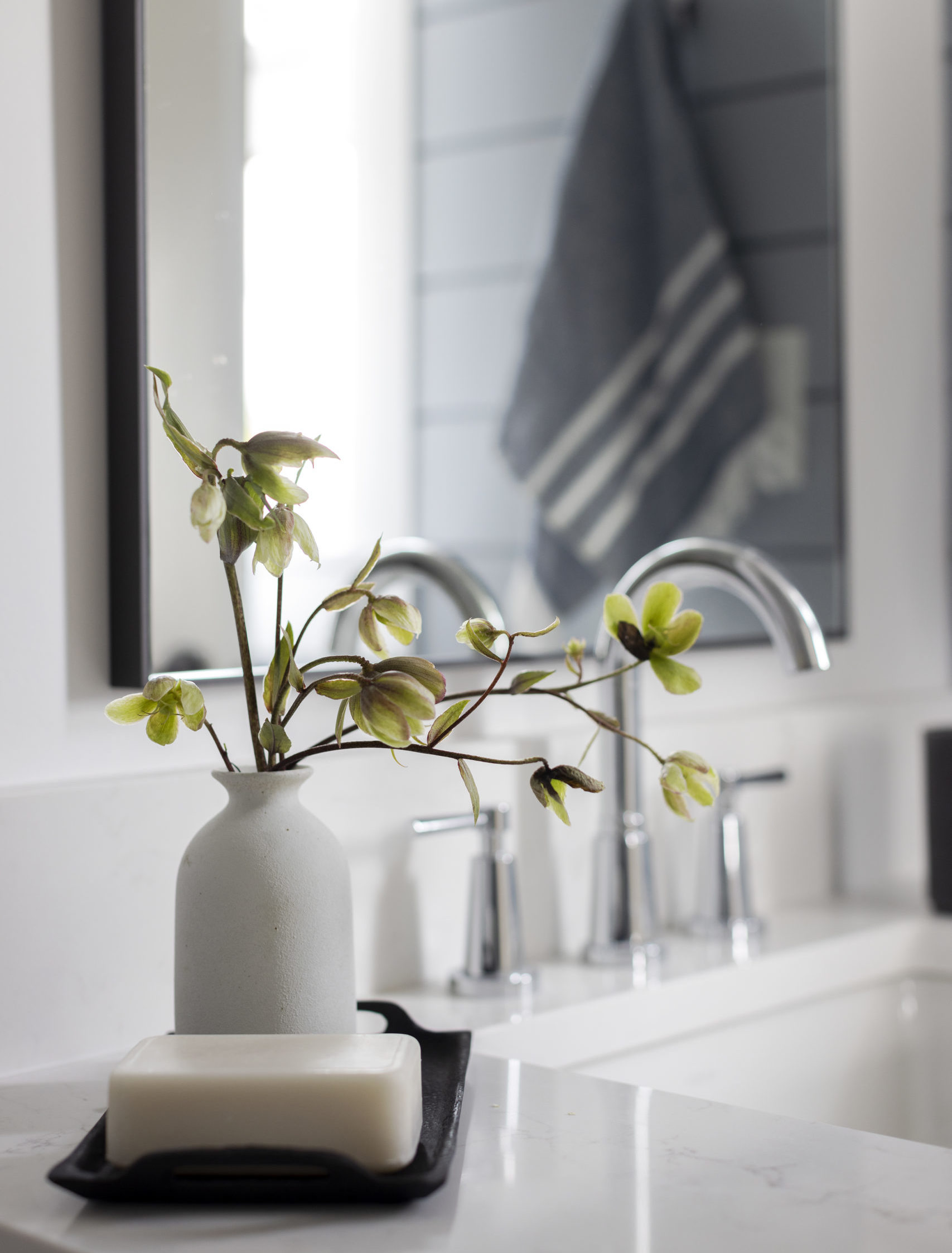
When choosing the vessel for your flowers, the best place to start is with what you already have. Flowers can be designed in a vase, cup, bowl, or any other vessel you have that is water resistant. If you don’t have a vessel you love, the local second-hand store will have many options too.
Waste-Free Design
If you would like to add structure to your design to hold the flowers in place, you can use chicken wire or a floral frog. Avoid floral foam at all costs! It is a structure made of single-use plastics that is common in the floral world, yet it is highly toxic and harmful to both humans and the Earth.
Reuse + Compost
Once you have enjoyed the life of your flowers, take the time to thoroughly wash your vessel and design mechanics, and compost all flowers and greens. This small moment of intention will keep your vessels in top shape to be used into the future and will supply nutrients back to the Earth through your choice to compost.
If you want to learn more about caring for your flowers, check out our Flower Tips + Tricks.

Row of 3: Photos by Janis Nicolay & Interior Design by Studio Grey
Have you ever wondered how to make sustainable choices when finding and designing your own flowers?
Have you ever wondered how to make sustainable choices when finding and designing your own flowers?
Support Local + Buy Seasonally
One of the best sustainable swaps is to source flowers that are local and seasonal. Not only are these the best flowers, but buying them also supports neighbourhood businesses and invests in the local economy.
- Buying local means that these flowers were not flown around the world by plane (which a surprising amount of flowers are), thus producing less carbon emissions, using less packaging (it takes a lot of single-use packaging to secure flowers for a long flight), and less use of chemicals on the flowers (used to preserve them through travel).
- Seasonal flowers open our minds to the abundance that nature has to offer, by surprising us with what thrives in each season. Our creativity and joy abound as we embrace the natural rhythms of beauty and as we find grounding through connection with the world around us.
Finding Local Flowers Near You
Farmers, florists, or a trip to the market.
- Even in a city, nearby flower farms might exist that you never knew about before. A little bit of research will be worth it to find a flower farm near you. Flower farmers will often sell at farmers markets, flower stands, or through local florists. The farmers will know the flower’s journey from seed to soil to you- connecting you with the story of the flowers and providing you with the freshest stems.
- If you don’t find a flower farm nearby, you can also go to almost any local flower shop and ask them which of their flowers are local vs imported. They should be able to inform you about the flowers they have available.
Tip: Go to your florist, farmer, or market prepared! Avoid single-use plastics by asking for paper wrapping only (or bringing your own newspaper for protecting your flowers), and by bringing your own vase of water. They won’t need to supply you with a single-use plastic wrap, nor a plastic pouch for hydrating your flowers, and you can choose a vessel that makes easy transport for your journey home.
Vessels Are Everywhere
When choosing the vessel for your flowers, the best place to start is with what you already have. Flowers can be designed in a vase, cup, bowl, or any other vessel you have that is water resistant. If you don’t have a vessel you love, the local second-hand store will have many options too.
Waste-Free Design
If you would like to add structure to your design to hold the flowers in place, you can use chicken wire or a floral frog. Avoid floral foam at all costs! It is a structure made of single-use plastics that is common in the floral world, yet it is highly toxic and harmful to both humans and the Earth.
Reuse + Compost
Once you have enjoyed the life of your flowers, take the time to thoroughly wash your vessel and design mechanics, and compost all flowers and greens. This small moment of intention will keep your vessels in top shape to be used into the future and will supply nutrients back to the Earth through your choice to compost.
If you want to learn more about caring for your flowers, check out our Flower Tips + Tricks.
Row of 3: Photos by Janis Nicolay & Interior Design by Studio Grey